
Choosing the Right Epoxy: The Key to a Perfect Pour
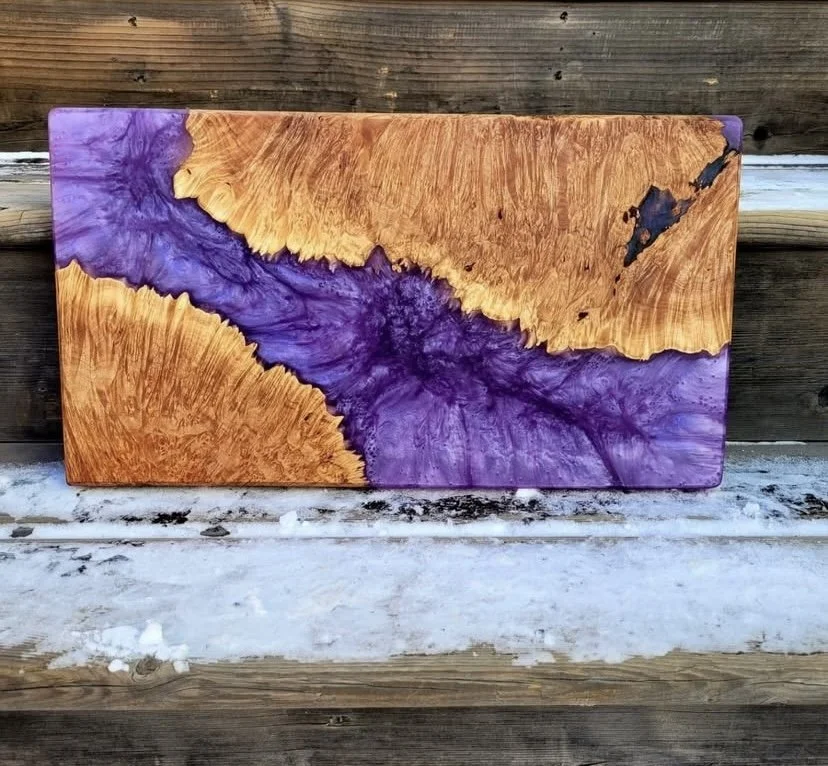
If there’s one thing that can make or break a live edge table or resin project, it’s choosing the right epoxy and knowing how to use it. The epoxy you choose is more than just a finishing product — it’s the foundation of your project’s clarity, strength, and long-term durability. Getting this step right is what separates an average pour from a professional result.
Every project is different, and not all epoxies are created equal. Each type has its own formula, purpose, and behavior once mixed. The challenge is in knowing how to match the right product to your specific project — whether you’re creating a river table, coating a surface, or adding artistic effects.
The key is in understanding both the product and the process. From mixing ratios to temperature control, the details matter. By taking the time to learn how each type of epoxy reacts and cures, you’ll set yourself up for consistent, high-quality finishes that showcase your craftsmanship at its best.
Don’t worry about sounding professional. Sound like you. There are over 1.5 billion websites out there, but your story is what’s going to separate this one from the rest. If you read the words back and don’t hear your own voice in your head, that’s a good sign you still have more work to do.
Be clear, be confident and don’t overthink it. The beauty of your story is that it’s going to continue to evolve and your site can evolve with it. Your goal should be to make it feel right for right now. Later will take care of itself. It always does.
1:1, 2:1, Deep Pour, Table Top, Art Epoxy…What’s the Difference?
Before you purchase your epoxy resin, understanding the role of each type of epoxy can completely change how your project turns out. Every project has its own needs, from the base layer that sets the stage to the final finish that dazzles. Knowing which epoxy to reach for at each step allows you to work smarter, avoid common mistakes, and get a finish that looks professional, clean, and polished. Let’s break down each type and explore not just what it does, but how it elevates your work from a simple project to a showpiece.

1:1 Epoxy / 2:1 Epoxy / 4:1 Epoxy… What’s That Mean?
The numbers refer to the mixing ratio of resin to hardener. A 1:1 epoxy means you mix equal parts resin and hardener by volume, while a 2:1 epoxy means two parts resin for every one part hardener. Choosing the right ratio is essential because it affects curing time, clarity, and the final hardness of your project. Think of 1:1 or 2:1 epoxy as your foundation layer, but it is more than that. It is your insurance against imperfections later on. When applied correctly, it penetrates the wood grain, seals tiny cracks, and locks in air pockets that could otherwise create bubbles in your main pour. This step may seem small, but it is critical for preventing frustration down the line. A smooth, well-applied coat provides a consistent surface that allows your next layer to adhere perfectly, reducing sanding time and ensuring your table or piece has a flawless, professional finish. Experienced woodworkers often describe this epoxy as the quiet hero of any resin project. It does not steal the show, but it keeps the show running beautifully.
Deep Pour Epoxy
When you are ready to make a bold statement, deep pour epoxy is your go-to choice. This type is specifically formulated for thicker layers, which means you can pour inches at a time without the resin overheating or curing unevenly. Deep pours create the iconic depth you see in river tables, where the wood and resin blend seamlessly into a three-dimensional visual effect. It requires patience and planning because each layer takes time to cure fully, but the payoff is immense. Crystal-clear clarity, minimal bubbles, and a finished piece that appears to float effortlessly are the results. Think of deep pour epoxy as the main act. It gives life to your creative vision, making the wood grain and embedded features pop like never before.
Tabletop Epoxy
Tabletop epoxy is where functionality meets aesthetics. Its primary role is to provide a smooth, durable surface that stands up to everyday use while reflecting light beautifully to create that coveted glass-like finish. But it is not just about looks. This epoxy also adds strength, protecting your table or countertop from scratches, spills, and minor impacts. Properly applied, it transforms a piece from handcrafted furniture into a centerpiece worthy of any room. The beauty of tabletop epoxy is that it highlights everything beneath it, enhancing the wood’s natural colors, the resin’s clarity, and the overall craftsmanship in a way that invites admiration and touch alike.
Art Epoxy
Art epoxy is where imagination comes alive. Unlike other types, it gives you freedom to experiment with color, embedding, and movement, making it perfect for creative or decorative elements in your projects. You can swirl pigments, add metallic powders, or even embed objects like small keepsakes or shells. This epoxy is more forgiving and flexible, making it ideal for smaller pours or intricate designs where precision matters. It allows you to express personality and artistry within your work, transforming a functional piece of furniture into a personal statement or one-of-a-kind artwork. Art epoxy is where technique meets creativity, letting you leave a signature on every project that is uniquely yours.
Proper Mixing and Temperature Control, and Tips for the Perfect Finish
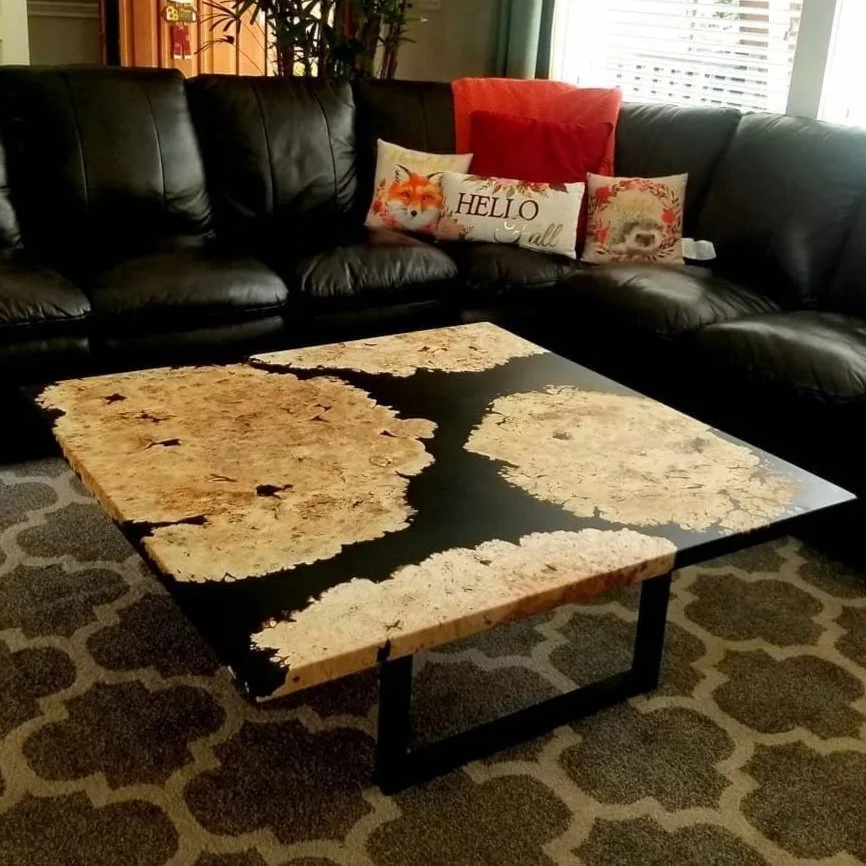
Always mix slowly and thoroughly, scraping the sides and bottom of your mixing container to avoid soft spots or tacky areas once cured. The environment matters just as much — epoxy prefers a workspace around 21–25°C (70–77°F). Too cold, and you risk cloudiness or slow cures.
As the temperatures start to dip, a simple trick can make a world of difference: pre-warm your epoxy bottles in a bath of warm water before mixing. This helps the resin flow better, reduces bubbles, and improves clarity. If you’re working in a cooler shop, use fans or space heaters safely to maintain a consistent temperature without overheating your workspace.
Always seal your wood first to prevent air bubbles from escaping into your main pour.
Avoid rushing the cure time — patience leads to fewer flaws.
When in doubt, follow the manufacturer’s mixing and cure time guidelines exactly.
The right epoxy and environment setup can turn a good project into a professional-grade piece.
If you’re just getting started with epoxy or even have some experience, seeing the possibilities firsthand can make all the difference. Every project is an opportunity to learn, experiment, and create something unique, blending the natural beauty of wood with the depth and clarity of resin. Watching a live edge slab transform under a perfectly poured layer of epoxy is incredibly rewarding, and it’s that satisfaction that keeps makers coming back for the next project.
Working with epoxy is both an art and a science, and the right approach can transform a good project into a professional-grade piece. By understanding materials, mixing techniques, and environmental factors, you set yourself up for consistent results that look polished and last for years.
If you’re curious about what’s possible or want to inquire about a custom design, check out my collection of live edge wood and resin products here. Each one reflects careful craftsmanship, creativity, and a love for the art of woodworking and resin design. It’s more than furniture — it’s a way to bring warmth, personality, and beauty into your space, one flawless pour at a time.
